"The Society that separates its Scholars from its Warriors, will have its thinking done by cowards and its fighting done by fools." Thucydides
PURPOSE: Become the Scholar Warrior for your Goals
Improve Every Single Day!
Improve Yourself 1% a Day = 3600%+ in a Year
Thought-Technique-Strategy of the Week:
Create Your Powerful Identity
Let's say you wish to excel in the art of painting. Or open your own woodworking business. Or become a Filmmaker which I did many years ago. The key is to utilize a Powerful Identity in reframing your Focus. Let's stick with painter for the moment.
Use the words: "I am a painter." The powerful use of the "I am..." phrase welds this new outlook to you mentally, intellectually but, more importantly, emotionally. Why emotionally? When you talk about painting (or any very exciting goal), then you can feel the electrical excitement within your body and Being.
"Being" is the act of existing within this newly embraced identity. Then you grow and become.
READ THE MAIN ARTICLE HERE
7 Actions To Change Your Life

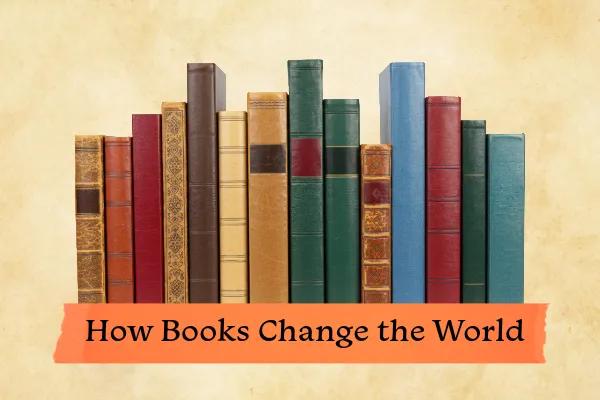
How One Writers Book Stopped Tyranny: Solzhenitsyn
In many times, a writer can have a tremendous affect on a community, a country and the world. In my personal case, one such book was by Aleksandr Solzehnitsyn, "One Day In the Life of Ivan Denisovich".
In case, you say...who?
Aleksandr Isayevich Solzhenitsyn(11 December 1918 – 3 August 2008) was a Soviet and Russian author anddissidentwho helped to raise global awareness ofpolitical repression in the Soviet Union, especially theGulagprison system. He was awarded the1970 Nobel Prize in Literature His nonfiction workThe Gulag Archipelago"amounted to a head-on challenge to the Soviet state" and sold tens of millions of copies.
"One Day In the Life of Ivan Denisovich" was about Soviet labor camps in the 1950's. Such labor camps existed in National Socialist Germany, Communist China, Cambodia's brutal Pol Pot communist regime and more. Extremely violent and repressive warm collectivism of State measures against the rugged individual.

Influential Books That Exposed Injustices and Sparked ChangeBooks have long served as catalysts for social, political, and cultural shifts by shining a light on systemic injustices, corruption, exploitation, and human rights abuses.
Drawing from historical examples like Aleksandr Solzhenitsyn's The Gulag Archipelago (which exposed Soviet labor camps and eroded support for communism globally), Émile Zola's Germinal (which dramatized the exploitation of French miners and fueled labor reforms in Europe), and Peter Schweizer's Clinton Cash (which alleged foreign influence and corruption tied to the Clinton Foundation, influencing U.S. political investigations and discourse), here are other notable works that have had measurable impacts on countries or the world. I've focused on books with documented roles in policy changes, movements, or public awareness shifts, spanning fiction and non-fiction.These selections are based on their historical influence, as noted in various analyses of literature's role in social justice.
Uncle Tom's Cabin by Harriet Beecher Stowe (1852): This novel vividly depicted the horrors of slavery in the American South, humanizing enslaved people and galvanizing abolitionist sentiment in the North. It's credited with intensifying anti-slavery fervor, contributing to the U.S. Civil War and the eventual emancipation of slaves.
Bury My Heart at Wounded Knee: An Indian History of the American West by Dee Brown (1970): Chronicled the systematic dispossession and massacres of Native American tribes by the U.S. government. It reshaped public understanding of American history, boosting indigenous rights movements and contributing to laws like the Indian Self-Determination Act.
Cry, the Beloved Country by Alan Paton (1948): Highlighted racial segregation and poverty under apartheid in South Africa. It raised international awareness, influencing global anti-apartheid campaigns and sanctions that pressured the regime toward reform.
The Jungle by Upton Sinclair (1906): Revealed appalling working conditions and unsanitary practices in Chicago's meatpacking industry. It directly led to U.S. federal regulations, including the Pure Food and Drug Act and the Meat Inspection Act, transforming food safety standards.
All Quiet on the Western Front by Erich Maria Remarque (1929): Depicted the brutal realities of World War I trench warfare from a German soldier's perspective, exposing the futility and horror of war. Banned by Nazis, it fostered anti-war sentiment globally and influenced pacifist movements between the world wars.
The Diary of a Young Girl by Anne Frank (1947): A firsthand account of hiding from Nazi persecution during the Holocaust. It humanized victims of genocide, educating millions about antisemitism and contributing to Holocaust remembrance efforts, including museums and international human rights conventions
These books often faced bans, backlash, or censorship upon release, underscoring their disruptive power. While not exhaustive, this list highlights works with tangible legacies in laws, movements, or cultural attitudes. If you'd like more details on any, recommendations from a specific era or region, or similar books in fiction vs. non-fiction, let me know!

How One Writers Book Stopped Tyranny: Solzhenitsyn
In many times, a writer can have a tremendous affect on a community, a country and the world. In my personal case, one such book was by Aleksandr Solzehnitsyn, "One Day In the Life of Ivan Denisovich".
In case, you say...who?
Aleksandr Isayevich Solzhenitsyn(11 December 1918 – 3 August 2008) was a Soviet and Russian author anddissidentwho helped to raise global awareness ofpolitical repression in the Soviet Union, especially theGulagprison system. He was awarded the1970 Nobel Prize in Literature His nonfiction workThe Gulag Archipelago"amounted to a head-on challenge to the Soviet state" and sold tens of millions of copies.
"One Day In the Life of Ivan Denisovich" was about Soviet labor camps in the 1950's. Such labor camps existed in National Socialist Germany, Communist China, Cambodia's brutal Pol Pot communist regime and more. Extremely violent and repressive warm collectivism of State measures against the rugged individual.
Influential Books That Exposed Injustices and Sparked ChangeBooks have long served as catalysts for social, political, and cultural shifts by shining a light on systemic injustices, corruption, exploitation, and human rights abuses.
Drawing from historical examples like Aleksandr Solzhenitsyn's The Gulag Archipelago (which exposed Soviet labor camps and eroded support for communism globally), Émile Zola's Germinal (which dramatized the exploitation of French miners and fueled labor reforms in Europe), and Peter Schweizer's Clinton Cash (which alleged foreign influence and corruption tied to the Clinton Foundation, influencing U.S. political investigations and discourse), here are other notable works that have had measurable impacts on countries or the world. I've focused on books with documented roles in policy changes, movements, or public awareness shifts, spanning fiction and non-fiction.These selections are based on their historical influence, as noted in various analyses of literature's role in social justice.
Uncle Tom's Cabin by Harriet Beecher Stowe (1852): This novel vividly depicted the horrors of slavery in the American South, humanizing enslaved people and galvanizing abolitionist sentiment in the North. It's credited with intensifying anti-slavery fervor, contributing to the U.S. Civil War and the eventual emancipation of slaves.
Bury My Heart at Wounded Knee: An Indian History of the American West by Dee Brown (1970): Chronicled the systematic dispossession and massacres of Native American tribes by the U.S. government. It reshaped public understanding of American history, boosting indigenous rights movements and contributing to laws like the Indian Self-Determination Act.
Cry, the Beloved Country by Alan Paton (1948): Highlighted racial segregation and poverty under apartheid in South Africa. It raised international awareness, influencing global anti-apartheid campaigns and sanctions that pressured the regime toward reform.
The Jungle by Upton Sinclair (1906): Revealed appalling working conditions and unsanitary practices in Chicago's meatpacking industry. It directly led to U.S. federal regulations, including the Pure Food and Drug Act and the Meat Inspection Act, transforming food safety standards.
All Quiet on the Western Front by Erich Maria Remarque (1929): Depicted the brutal realities of World War I trench warfare from a German soldier's perspective, exposing the futility and horror of war. Banned by Nazis, it fostered anti-war sentiment globally and influenced pacifist movements between the world wars.
The Diary of a Young Girl by Anne Frank (1947): A firsthand account of hiding from Nazi persecution during the Holocaust. It humanized victims of genocide, educating millions about antisemitism and contributing to Holocaust remembrance efforts, including museums and international human rights conventions
These books often faced bans, backlash, or censorship upon release, underscoring their disruptive power. While not exhaustive, this list highlights works with tangible legacies in laws, movements, or cultural attitudes. If you'd like more details on any, recommendations from a specific era or region, or similar books in fiction vs. non-fiction, let me know!
How One Writers Book Stopped Tyranny: Solzhenitsyn
In many times, a writer can have a tremendous affect on a community, a country and the world. In my personal case, one such book was by Aleksandr Solzehnitsyn, "One Day In the Life of Ivan Denisovich".
In case, you say...who?
Aleksandr Isayevich Solzhenitsyn(11 December 1918 – 3 August 2008) was a Soviet and Russian author anddissidentwho helped to raise global awareness ofpolitical repression in the Soviet Union, especially theGulagprison system. He was awarded the1970 Nobel Prize in Literature His nonfiction workThe Gulag Archipelago"amounted to a head-on challenge to the Soviet state" and sold tens of millions of copies.
"One Day In the Life of Ivan Denisovich" was about Soviet labor camps in the 1950's. Such labor camps existed in National Socialist Germany, Communist China, Cambodia's brutal Pol Pot communist regime and more. Extremely violent and repressive warm collectivism of State measures against the rugged individual.
Influential Books That Exposed Injustices and Sparked ChangeBooks have long served as catalysts for social, political, and cultural shifts by shining a light on systemic injustices, corruption, exploitation, and human rights abuses.
Drawing from historical examples like Aleksandr Solzhenitsyn's The Gulag Archipelago (which exposed Soviet labor camps and eroded support for communism globally), Émile Zola's Germinal (which dramatized the exploitation of French miners and fueled labor reforms in Europe), and Peter Schweizer's Clinton Cash (which alleged foreign influence and corruption tied to the Clinton Foundation, influencing U.S. political investigations and discourse), here are other notable works that have had measurable impacts on countries or the world. I've focused on books with documented roles in policy changes, movements, or public awareness shifts, spanning fiction and non-fiction.These selections are based on their historical influence, as noted in various analyses of literature's role in social justice.
Uncle Tom's Cabin by Harriet Beecher Stowe (1852): This novel vividly depicted the horrors of slavery in the American South, humanizing enslaved people and galvanizing abolitionist sentiment in the North. It's credited with intensifying anti-slavery fervor, contributing to the U.S. Civil War and the eventual emancipation of slaves.
Bury My Heart at Wounded Knee: An Indian History of the American West by Dee Brown (1970): Chronicled the systematic dispossession and massacres of Native American tribes by the U.S. government. It reshaped public understanding of American history, boosting indigenous rights movements and contributing to laws like the Indian Self-Determination Act.
Cry, the Beloved Country by Alan Paton (1948): Highlighted racial segregation and poverty under apartheid in South Africa. It raised international awareness, influencing global anti-apartheid campaigns and sanctions that pressured the regime toward reform.
The Jungle by Upton Sinclair (1906): Revealed appalling working conditions and unsanitary practices in Chicago's meatpacking industry. It directly led to U.S. federal regulations, including the Pure Food and Drug Act and the Meat Inspection Act, transforming food safety standards.
All Quiet on the Western Front by Erich Maria Remarque (1929): Depicted the brutal realities of World War I trench warfare from a German soldier's perspective, exposing the futility and horror of war. Banned by Nazis, it fostered anti-war sentiment globally and influenced pacifist movements between the world wars.
The Diary of a Young Girl by Anne Frank (1947): A firsthand account of hiding from Nazi persecution during the Holocaust. It humanized victims of genocide, educating millions about antisemitism and contributing to Holocaust remembrance efforts, including museums and international human rights conventions
These books often faced bans, backlash, or censorship upon release, underscoring their disruptive power. While not exhaustive, this list highlights works with tangible legacies in laws, movements, or cultural attitudes. If you'd like more details on any, recommendations from a specific era or region, or similar books in fiction vs. non-fiction, let me know!


How One Writers Book Stopped Tyranny: Solzhenitsyn
In many times, a writer can have a tremendous affect on a community, a country and the world. In my personal case, one such book was by Aleksandr Solzehnitsyn, "One Day In the Life of Ivan Denisovich".
In case, you say...who?
Aleksandr Isayevich Solzhenitsyn(11 December 1918 – 3 August 2008) was a Soviet and Russian author anddissidentwho helped to raise global awareness ofpolitical repression in the Soviet Union, especially theGulagprison system. He was awarded the1970 Nobel Prize in Literature His nonfiction workThe Gulag Archipelago"amounted to a head-on challenge to the Soviet state" and sold tens of millions of copies.
"One Day In the Life of Ivan Denisovich" was about Soviet labor camps in the 1950's. Such labor camps existed in National Socialist Germany, Communist China, Cambodia's brutal Pol Pot communist regime and more. Extremely violent and repressive warm collectivism of State measures against the rugged individual.
Influential Books That Exposed Injustices and Sparked ChangeBooks have long served as catalysts for social, political, and cultural shifts by shining a light on systemic injustices, corruption, exploitation, and human rights abuses.
Drawing from historical examples like Aleksandr Solzhenitsyn's The Gulag Archipelago (which exposed Soviet labor camps and eroded support for communism globally), Émile Zola's Germinal (which dramatized the exploitation of French miners and fueled labor reforms in Europe), and Peter Schweizer's Clinton Cash (which alleged foreign influence and corruption tied to the Clinton Foundation, influencing U.S. political investigations and discourse), here are other notable works that have had measurable impacts on countries or the world. I've focused on books with documented roles in policy changes, movements, or public awareness shifts, spanning fiction and non-fiction.These selections are based on their historical influence, as noted in various analyses of literature's role in social justice.
Uncle Tom's Cabin by Harriet Beecher Stowe (1852): This novel vividly depicted the horrors of slavery in the American South, humanizing enslaved people and galvanizing abolitionist sentiment in the North. It's credited with intensifying anti-slavery fervor, contributing to the U.S. Civil War and the eventual emancipation of slaves.
Bury My Heart at Wounded Knee: An Indian History of the American West by Dee Brown (1970): Chronicled the systematic dispossession and massacres of Native American tribes by the U.S. government. It reshaped public understanding of American history, boosting indigenous rights movements and contributing to laws like the Indian Self-Determination Act.
Cry, the Beloved Country by Alan Paton (1948): Highlighted racial segregation and poverty under apartheid in South Africa. It raised international awareness, influencing global anti-apartheid campaigns and sanctions that pressured the regime toward reform.
The Jungle by Upton Sinclair (1906): Revealed appalling working conditions and unsanitary practices in Chicago's meatpacking industry. It directly led to U.S. federal regulations, including the Pure Food and Drug Act and the Meat Inspection Act, transforming food safety standards.
All Quiet on the Western Front by Erich Maria Remarque (1929): Depicted the brutal realities of World War I trench warfare from a German soldier's perspective, exposing the futility and horror of war. Banned by Nazis, it fostered anti-war sentiment globally and influenced pacifist movements between the world wars.
The Diary of a Young Girl by Anne Frank (1947): A firsthand account of hiding from Nazi persecution during the Holocaust. It humanized victims of genocide, educating millions about antisemitism and contributing to Holocaust remembrance efforts, including museums and international human rights conventions
These books often faced bans, backlash, or censorship upon release, underscoring their disruptive power. While not exhaustive, this list highlights works with tangible legacies in laws, movements, or cultural attitudes. If you'd like more details on any, recommendations from a specific era or region, or similar books in fiction vs. non-fiction, let me know!
How One Writers Book Stopped Tyranny: Solzhenitsyn
In many times, a writer can have a tremendous affect on a community, a country and the world. In my personal case, one such book was by Aleksandr Solzehnitsyn, "One Day In the Life of Ivan Denisovich".
In case, you say...who?
Aleksandr Isayevich Solzhenitsyn(11 December 1918 – 3 August 2008) was a Soviet and Russian author anddissidentwho helped to raise global awareness ofpolitical repression in the Soviet Union, especially theGulagprison system. He was awarded the1970 Nobel Prize in Literature His nonfiction workThe Gulag Archipelago"amounted to a head-on challenge to the Soviet state" and sold tens of millions of copies.
"One Day In the Life of Ivan Denisovich" was about Soviet labor camps in the 1950's. Such labor camps existed in National Socialist Germany, Communist China, Cambodia's brutal Pol Pot communist regime and more. Extremely violent and repressive warm collectivism of State measures against the rugged individual.
Influential Books That Exposed Injustices and Sparked ChangeBooks have long served as catalysts for social, political, and cultural shifts by shining a light on systemic injustices, corruption, exploitation, and human rights abuses.
Drawing from historical examples like Aleksandr Solzhenitsyn's The Gulag Archipelago (which exposed Soviet labor camps and eroded support for communism globally), Émile Zola's Germinal (which dramatized the exploitation of French miners and fueled labor reforms in Europe), and Peter Schweizer's Clinton Cash (which alleged foreign influence and corruption tied to the Clinton Foundation, influencing U.S. political investigations and discourse), here are other notable works that have had measurable impacts on countries or the world. I've focused on books with documented roles in policy changes, movements, or public awareness shifts, spanning fiction and non-fiction.These selections are based on their historical influence, as noted in various analyses of literature's role in social justice.
Uncle Tom's Cabin by Harriet Beecher Stowe (1852): This novel vividly depicted the horrors of slavery in the American South, humanizing enslaved people and galvanizing abolitionist sentiment in the North. It's credited with intensifying anti-slavery fervor, contributing to the U.S. Civil War and the eventual emancipation of slaves.
Bury My Heart at Wounded Knee: An Indian History of the American West by Dee Brown (1970): Chronicled the systematic dispossession and massacres of Native American tribes by the U.S. government. It reshaped public understanding of American history, boosting indigenous rights movements and contributing to laws like the Indian Self-Determination Act.
Cry, the Beloved Country by Alan Paton (1948): Highlighted racial segregation and poverty under apartheid in South Africa. It raised international awareness, influencing global anti-apartheid campaigns and sanctions that pressured the regime toward reform.
The Jungle by Upton Sinclair (1906): Revealed appalling working conditions and unsanitary practices in Chicago's meatpacking industry. It directly led to U.S. federal regulations, including the Pure Food and Drug Act and the Meat Inspection Act, transforming food safety standards.
All Quiet on the Western Front by Erich Maria Remarque (1929): Depicted the brutal realities of World War I trench warfare from a German soldier's perspective, exposing the futility and horror of war. Banned by Nazis, it fostered anti-war sentiment globally and influenced pacifist movements between the world wars.
The Diary of a Young Girl by Anne Frank (1947): A firsthand account of hiding from Nazi persecution during the Holocaust. It humanized victims of genocide, educating millions about antisemitism and contributing to Holocaust remembrance efforts, including museums and international human rights conventions
These books often faced bans, backlash, or censorship upon release, underscoring their disruptive power. While not exhaustive, this list highlights works with tangible legacies in laws, movements, or cultural attitudes. If you'd like more details on any, recommendations from a specific era or region, or similar books in fiction vs. non-fiction, let me know!
How One Writers Book Stopped Tyranny: Solzhenitsyn
In many times, a writer can have a tremendous affect on a community, a country and the world. In my personal case, one such book was by Aleksandr Solzehnitsyn, "One Day In the Life of Ivan Denisovich".
In case, you say...who?
Aleksandr Isayevich Solzhenitsyn(11 December 1918 – 3 August 2008) was a Soviet and Russian author anddissidentwho helped to raise global awareness ofpolitical repression in the Soviet Union, especially theGulagprison system. He was awarded the1970 Nobel Prize in Literature His nonfiction workThe Gulag Archipelago"amounted to a head-on challenge to the Soviet state" and sold tens of millions of copies.
"One Day In the Life of Ivan Denisovich" was about Soviet labor camps in the 1950's. Such labor camps existed in National Socialist Germany, Communist China, Cambodia's brutal Pol Pot communist regime and more. Extremely violent and repressive warm collectivism of State measures against the rugged individual.
Influential Books That Exposed Injustices and Sparked ChangeBooks have long served as catalysts for social, political, and cultural shifts by shining a light on systemic injustices, corruption, exploitation, and human rights abuses.
Drawing from historical examples like Aleksandr Solzhenitsyn's The Gulag Archipelago (which exposed Soviet labor camps and eroded support for communism globally), Émile Zola's Germinal (which dramatized the exploitation of French miners and fueled labor reforms in Europe), and Peter Schweizer's Clinton Cash (which alleged foreign influence and corruption tied to the Clinton Foundation, influencing U.S. political investigations and discourse), here are other notable works that have had measurable impacts on countries or the world. I've focused on books with documented roles in policy changes, movements, or public awareness shifts, spanning fiction and non-fiction.These selections are based on their historical influence, as noted in various analyses of literature's role in social justice.
Uncle Tom's Cabin by Harriet Beecher Stowe (1852): This novel vividly depicted the horrors of slavery in the American South, humanizing enslaved people and galvanizing abolitionist sentiment in the North. It's credited with intensifying anti-slavery fervor, contributing to the U.S. Civil War and the eventual emancipation of slaves.
Bury My Heart at Wounded Knee: An Indian History of the American West by Dee Brown (1970): Chronicled the systematic dispossession and massacres of Native American tribes by the U.S. government. It reshaped public understanding of American history, boosting indigenous rights movements and contributing to laws like the Indian Self-Determination Act.
Cry, the Beloved Country by Alan Paton (1948): Highlighted racial segregation and poverty under apartheid in South Africa. It raised international awareness, influencing global anti-apartheid campaigns and sanctions that pressured the regime toward reform.
The Jungle by Upton Sinclair (1906): Revealed appalling working conditions and unsanitary practices in Chicago's meatpacking industry. It directly led to U.S. federal regulations, including the Pure Food and Drug Act and the Meat Inspection Act, transforming food safety standards.
All Quiet on the Western Front by Erich Maria Remarque (1929): Depicted the brutal realities of World War I trench warfare from a German soldier's perspective, exposing the futility and horror of war. Banned by Nazis, it fostered anti-war sentiment globally and influenced pacifist movements between the world wars.
The Diary of a Young Girl by Anne Frank (1947): A firsthand account of hiding from Nazi persecution during the Holocaust. It humanized victims of genocide, educating millions about antisemitism and contributing to Holocaust remembrance efforts, including museums and international human rights conventions
These books often faced bans, backlash, or censorship upon release, underscoring their disruptive power. While not exhaustive, this list highlights works with tangible legacies in laws, movements, or cultural attitudes. If you'd like more details on any, recommendations from a specific era or region, or similar books in fiction vs. non-fiction, let me know!
How One Writers Book Stopped Tyranny: Solzhenitsyn
In many times, a writer can have a tremendous affect on a community, a country and the world. In my personal case, one such book was by Aleksandr Solzehnitsyn, "One Day In the Life of Ivan Denisovich".
In case, you say...who?
Aleksandr Isayevich Solzhenitsyn(11 December 1918 – 3 August 2008) was a Soviet and Russian author anddissidentwho helped to raise global awareness ofpolitical repression in the Soviet Union, especially theGulagprison system. He was awarded the1970 Nobel Prize in Literature His nonfiction workThe Gulag Archipelago"amounted to a head-on challenge to the Soviet state" and sold tens of millions of copies.
"One Day In the Life of Ivan Denisovich" was about Soviet labor camps in the 1950's. Such labor camps existed in National Socialist Germany, Communist China, Cambodia's brutal Pol Pot communist regime and more. Extremely violent and repressive warm collectivism of State measures against the rugged individual.
Influential Books That Exposed Injustices and Sparked ChangeBooks have long served as catalysts for social, political, and cultural shifts by shining a light on systemic injustices, corruption, exploitation, and human rights abuses.
Drawing from historical examples like Aleksandr Solzhenitsyn's The Gulag Archipelago (which exposed Soviet labor camps and eroded support for communism globally), Émile Zola's Germinal (which dramatized the exploitation of French miners and fueled labor reforms in Europe), and Peter Schweizer's Clinton Cash (which alleged foreign influence and corruption tied to the Clinton Foundation, influencing U.S. political investigations and discourse), here are other notable works that have had measurable impacts on countries or the world. I've focused on books with documented roles in policy changes, movements, or public awareness shifts, spanning fiction and non-fiction.These selections are based on their historical influence, as noted in various analyses of literature's role in social justice.
Uncle Tom's Cabin by Harriet Beecher Stowe (1852): This novel vividly depicted the horrors of slavery in the American South, humanizing enslaved people and galvanizing abolitionist sentiment in the North. It's credited with intensifying anti-slavery fervor, contributing to the U.S. Civil War and the eventual emancipation of slaves.
Bury My Heart at Wounded Knee: An Indian History of the American West by Dee Brown (1970): Chronicled the systematic dispossession and massacres of Native American tribes by the U.S. government. It reshaped public understanding of American history, boosting indigenous rights movements and contributing to laws like the Indian Self-Determination Act.
Cry, the Beloved Country by Alan Paton (1948): Highlighted racial segregation and poverty under apartheid in South Africa. It raised international awareness, influencing global anti-apartheid campaigns and sanctions that pressured the regime toward reform.
The Jungle by Upton Sinclair (1906): Revealed appalling working conditions and unsanitary practices in Chicago's meatpacking industry. It directly led to U.S. federal regulations, including the Pure Food and Drug Act and the Meat Inspection Act, transforming food safety standards.
All Quiet on the Western Front by Erich Maria Remarque (1929): Depicted the brutal realities of World War I trench warfare from a German soldier's perspective, exposing the futility and horror of war. Banned by Nazis, it fostered anti-war sentiment globally and influenced pacifist movements between the world wars.
The Diary of a Young Girl by Anne Frank (1947): A firsthand account of hiding from Nazi persecution during the Holocaust. It humanized victims of genocide, educating millions about antisemitism and contributing to Holocaust remembrance efforts, including museums and international human rights conventions
These books often faced bans, backlash, or censorship upon release, underscoring their disruptive power. While not exhaustive, this list highlights works with tangible legacies in laws, movements, or cultural attitudes. If you'd like more details on any, recommendations from a specific era or region, or similar books in fiction vs. non-fiction, let me know!
Take Action Today!
SCHOLAR WARRIOR WAY - COURSE

Scholar Warrior Way
Take Action to Transform Yourself
By taking the Scholar Warrior Way Course, you will get Michael's program for Self-Improvement in his pursuit of Creative Excellence in Writing, Filmmaking, Martial arts and his other pursuits from his major curious outlook. Here are the 7 Steps that he uses....
Powerful Why - the Key to Enthusiasm and Fulfillment
Scholar Warrior Identity - Embracing the new Mentality - now!
Your Morning Routine - Starting the day Right.
Brainstorming Your How - Strategy thinking and tactics
Create Your Own Systems - Become efficient with predictable results
Building Transforming Habits - Habit creates Destiny
The Art of Sleep - Long ignored but a necessary health break.
FAQS
What is The Purpose of the "ScholarWarriorWay" ?
By engaging in the mental perspective of the Scholar Warrior, you embrace two aspects of your life: The Scholar with a constant focus on self-development and self-improvement. The Warrior whereby you learn techniques about courage, action and derring-do to achieve your true authentic goals for a fulfilled life.
How much does Scholar Warrior Way cost?
The cost of could be absolutely no money if you just want to get on our newsletter to read the various articles on the website. If you want to take the courses on various levels, then you might spend $200-300 per year. Think of it this way: If you could improve yourself 100-200-300-1000-3600% in a single year, then how much is it worth? The price of two meals and drinks at a restaurant that you'll never remember? Make a better life choice.
How do I know I work with the ScholarWarriorWay?
ScholarWarriorWay is broken down into 7 Major Strategies. You can pick one and work on it for a few weeks, then add another strategies. They start with the Powerful Why and end with the Art of Sleep.


Facebook
Instagram
X
LinkedIn
Youtube